

Uplevel or Replace? A CEO’s Dilemma at Series B
How Henry Schuck, Founder & CEO of ZoomInfo, thinks about internal growth, leadership transitions, and how to know when it’s time for change.

DEAR STAGE 2: I'm the CEO of a Series B company, and my board is pushing me to uplevel two of the leaders on my team as we review plans for the year. How should I think about growing talent internally versus hiring from the outside? ~WEIGHING MY OPTIONS
DEAR WEIGHING MY OPTIONS: This one hits close to home for a lot of founders. Upleveling your team is one of the hardest (and necessary!) parts of scaling. It’s deeply personal. You’ve built something from the ground up, often shoulder to shoulder with these early leaders. But as the business grows, so do the requirements of each role on the team.
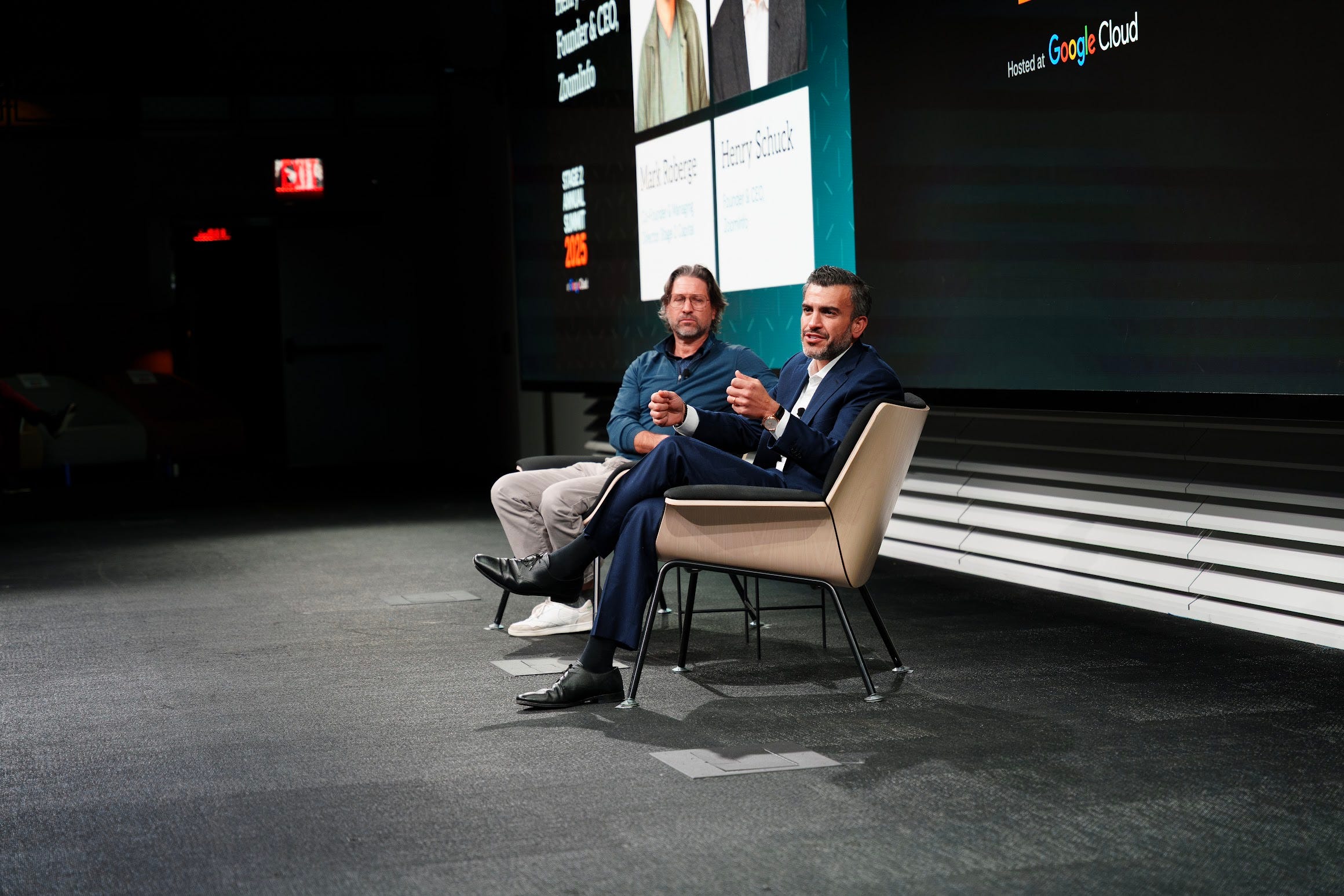
I recently had the chance to hear Henry Schuck, founder and CEO of ZoomInfo, speak candidly about this very topic during our annual summit and was wowed by the learnings. Henry built ZoomInfo from a bootstrapped, two-person operation into a public company and navigated all the common inflection points along the way. His perspective? You owe it to the business to make the hard calls when it’s time.
Henry shared that every executive on his team was a first-timer in their role when he promoted them. That gave him a front-row seat to the strengths and limitations of internal talent as the business matured. He didn’t hesitate to get close to the business when things weren’t working. And more importantly, he didn’t shy away from making leadership changes when needed.
So how should you think about internal growth vs. external hires?
Assess what the business needs next
When you’re at the Series B stage, you’re no longer just looking for people who can “figure it out.” You need leaders who can execute at the next level, with increasing scale, complexity, and scrutiny from stakeholders.
Ask yourself:
What do we need from this function over the next 12–24 months?
Are we trying to mature a motion, break into enterprise, stand up international, etc.?
Does this person know what great looks like in this phase, or are they learning alongside you?
It’s OK if the answer is “they’re not there yet.” The real question is whether they can get there fast enough.
Have the courage to act when it’s clear
Henry said it best: “The minute I realized someone was no longer right for the job, every day after that was a grueling day.”
The longer you wait to make a change, the more you’re asking your company, customers, and other team members to bear the cost of that delay. And ironically, you’re not doing that exec any favors either. If they’re struggling, they feel it too.
When it’s time to make a move:
Be clear and respectful. They helped you get here, and deserve thoughtful communication.
Give them the dignity of a clean transition and support finding what’s next.
Use it as an opportunity to signal your standards to the broader team.
Don’t assume external = better
External hires can bring experience, playbooks, and credibility, but only if they’re truly a fit for your company. Some common pitfalls:
Over-hiring from large companies (they expect infrastructure that doesn’t exist yet)
Misalignment on values or leadership style
A lack of startup muscle (scrappy, fast, hands-on)
Internal promotions can work if:
The leader is self-aware and eager to learn
You’re willing to stay close and coach them through the growth curve
You can invest in advisors, coaches or mentors to support them through the transition
They’ve earned trust across the org
Just know that internal bets often require more hands-on support in the short term.
Hope these lessons from Henry help you make the call on what’s in store for your own team this year.
Until next week!